Cessna 172F Rheostat (No Knob)
Cessna 172F Rheostat (No Knob)
Blog Article
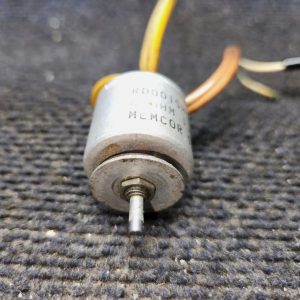
The Cessna 172F Rheostat (No Knob)
Whether buyers search for a Cessna 172F Rheostat, Cessna 172F Lighting Rheostat, or Cessna 172F Panel Light Rheostat, electrical compatibility and individual condition should guide the purchase.
The Cessna 172F Cockpit Dimmer, Cessna 172F Instrument Light Control, Cessna Instrument Panel Rheostat, and Cessna Cockpit Lighting Control phrases represent closely related electrical searches.
The Aviation Lighting Control Rheostat can support Aircraft Instrument Lighting Control, but similar-looking components may use different electrical characteristics.
Clear package descriptions help buyers determine whether the no-knob rheostat requires additional hardware before installation.
Understanding P/N RD0015H1600JBC
The P/N RD0015H1600JBC designation should be confirmed through markings on the rheostat body, tags, donor-aircraft information, packaging, photographs, and available maintenance records.
The intended panel position and controlled lighting circuit should be established before installation.
Buying a Cessna Rheostat Without a Knob
The no-knob description means the control knob is not included unless the listing states otherwise, so the buyer should plan for a compatible replacement or reusable original knob.
Professional selection supports both cockpit appearance and dependable lighting adjustment.
Instrument Lighting Control Operation
Some cockpit lighting systems may use additional switches, resistors, transformers, wiring, grounds, or circuit-protection devices.
Replacing the rheostat without diagnosing the full circuit may leave the original fault unresolved.
Verifying Rheostat Fitment Before Purchase
Aircraft-specific verification helps prevent overheating, poor dimming performance, mounting problems, and electrical damage.
Previous aircraft modifications should be reviewed before reconnecting the replacement component.
Inspecting the Rheostat Housing and Shaft
The shaft should rotate smoothly through its intended travel without excessive looseness, binding, roughness, or unexpected movement.
Evidence of pliers, forced knob removal, hammering, or improvised modification should be disclosed.
Checking Panel Lighting Connections
Clear wiring records reduce reconnection errors.
Professional wiring practices support dependable Aircraft Instrument Lighting Control.
Rheostat Resistance and Continuity Testing
The resistance should change in a predictable manner through the control range without abrupt open circuits, severe jumps, or inconsistent contact.
Bench testing should use controlled power, suitable current limitation, correct polarity where relevant, and a circuit appropriate to the component’s verified ratings.
Troubleshooting a Cessna Cockpit Dimmer
The complete lighting system should be inspected before the rheostat is identified as the only failed component.
System-level diagnosis supports a dependable Cessna 172F Panel Light Rheostat repair.
Cessna Panel Lighting Restoration
Restorers may seek the correct housing, shaft, mounting style, knob design, panel location, and click here control labeling.
A refurbished panel should avoid hidden wiring modifications, unsupported loads, or mismatched electrical parts.
Cessna 172F Electrical Parts for a Complete Repair
Each supporting component should be identified by function, part number, condition, and required quantity.
Used Cessna 172F Electrical Parts should be inspected individually rather than accepted solely because they originated from the same aircraft.
Evaluating Electrical Component Repair Value
The decision to repair or replace a rheostat depends on internal wear, heat damage, shaft condition, terminal integrity, corrosion, electrical performance, parts availability, and suitable repair information.
Professional refurbishment can preserve restoration value while maintaining clear component status.
Cessna Cockpit Electrical Parts for Sale
The commercial value of P/N RD0015H1600JBC depends on verified identity, electrical specifications, physical condition, test status, shaft integrity, terminal condition, traceability, and included hardware.
Transparent commercial information supports responsible Cessna Aircraft Rheostat transactions.
Panel Light Dimmer Condition Checklist
The seller should provide photographs showing the housing, shaft, mounting threads, terminals, markings, attached wiring, damage, and repaired areas.
- Confirm the complete part number, manufacturer, donor-aircraft model, donor serial information, intended lighting circuit, voltage, resistance, power rating, and available traceability.
- Check that the shaft rotates through its intended range without binding, excessive looseness, unexpected stops, or mechanical instability.
- Confirm the invoice, payment protection, packaging method, shipping insurance, inspection period, return conditions, and stated test status.
Protecting Cessna Electrical Parts in Transit
A rigid container with suitable padding can prevent the component from moving or contacting loose hardware.
Protective wrapping should avoid trapping moisture against metal surfaces.
Installing the Cessna 172F Rheostat
The electrical system should be secured appropriately before the original control is disconnected.
The knob should attach securely without restricting the rheostat’s full control range.
Abnormal heat, odor, intermittent operation, sudden brightness changes, or circuit-protection activation should receive immediate attention.
Protecting Aircraft Instrument Lighting Components
The component should receive attention after electrical faults, smoke, overheating, moisture exposure, panel work, wiring repair, or intermittent lighting behavior.
The control knob should not be pulled, twisted beyond its stops, or used as a support for other equipment.
Buying a Cessna Cockpit Dimmer
The Cessna 172F Rheostat (No Knob)
Buyers should request current photographs, accurate measurements, transparent condition details, protective shipping, secure transaction terms, and qualified electrical review.
Whether the part is purchased for scheduled maintenance, panel restoration, troubleshooting, vintage-aircraft preservation, replacement, or spare inventory, transparent information and professional oversight provide the strongest foundation.
With transparent test status, protected shipping, correct fitment, a suitable knob, and qualified maintenance review, the component can support a professional Cessna 172F project.
Report this page